

In today's rapidly changing economic landscape, effective market analysis has become an crucial skill for traders, businesses, and individuals seeking to understand financial opportunities and risks. Understanding economic trends is crucial for making knowledgeable decisions, whether you are pondering new investment strategies or analyzing the implications of global trade dynamics. As we adopt the innovations presented by fintech, the growing adoption of cryptocurrencies, and the evolution of decentralized finance, staying informed is more important than ever.
This article aims to demystify market analysis by providing valuable insights and applicable approaches to grasping the factors that influence our economic environment. We will analyze key themes such as financial literacy, income inequality, and the importance of diversity in finance, while also showcasing the role of scholarship programs and financial education in enabling the next generation of investors. By arming ourselves with knowledge and tools, we can enhance our financial planning capabilities and contribute to a robust economic future. Accompany us as we investigate the fundamental aspects of market analysis and its significance in today’s interconnected world.
Comprehending Economic Trends
Economic trends are vital indicators that help analysts and investors navigate the intricate environment of monetary markets. By examining these trends, one can obtain insightful insights into consumer behavior, labor rates, price increases, and other key factors that drive the economy. Identifying patterns in market data enables stakeholders to make well-considered decisions about financial strategies and threat management, thereby boosting overall financial literacy.
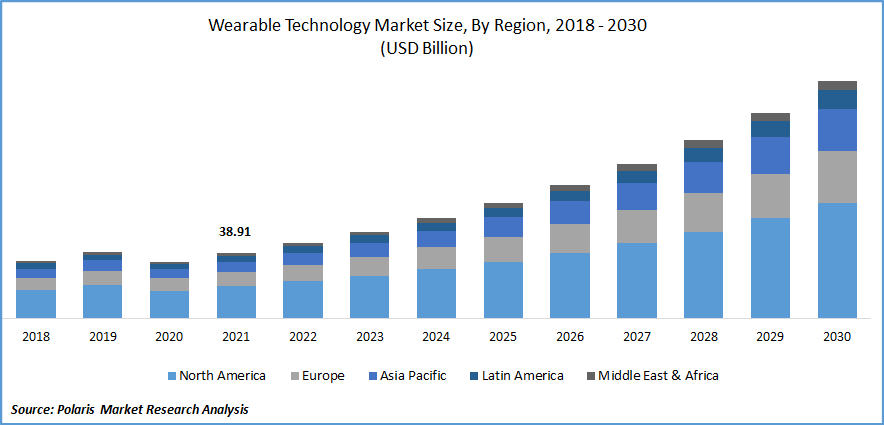
The surge of technology has introduced new economic paradigms, particularly in areas such as virtual currency adoption and decentralized finance. These advancements have altered the way monetary transactions occur, creating chances for growth while introducing unique challenges. Understanding these technological trends is vital for anyone looking to engage in tech-driven finance innovation, as they can lead to strategic investment possibilities and better financial planning.
Furthermore, global trade dynamics and provision chain disruptions have broader implications on financial resilience. As countries navigate the difficulties of international trade, sourcing strategies must adapt to evolving markets. This adjustability plays a critical role in ensuring that businesses can hold their economic edge and drive economic empowerment. By keeping updated about these market trends, individuals and organizations can more adeptly position themselves for future challenges and opportunities.
Economic Perspectives for Making Decisions
Grasping market trends is vital for informed decision-making in the monetary realm. By capitalizing on original research and statistical insights, investors can recognize fluctuations and correlations that influence financial markets. This base of financial insights enables investors to develop successful investment strategies that can endure volatility in markets and seize opportunity gains across fields.
Learn More From Cassandra Toroian
Incorporating perspectives from decentralized finance and tech innovation can deliver a market edge. The rise of digital currency acceptance and multiple fintech services offers distinct avenues for diversification and risk handling. Executives must stay abreast of these developments to capitalize on them while also ensuring they are equipped for likely disruptions in the supply network and international trade.
Moreover, the significance of financial education cannot be underestimated. Equipping individuals and entities with the skills to manage financial environments enhances money management capabilities and drives improved decision making. By incorporating investor education and effective budgeting into their models, businesses can develop resilience against market issues and effectively contribute to dialogues surrounding financial disparity and inclusion in finance.
Financial Tactics in a Evolving Market
In an landscape characterized by quick shifts and instabilities, developing solid investment strategies is vital for navigating fluctuating market environments. Investors should focus on diversification to lessen risk while seeking chances across multiple asset classes. By allocating resources to a blend of stocks, fixed income, and non-traditional investments, individuals can more effectively prepare themselves to weather market volatility and capitalize on growth in various sectors. Regularly reassessing and rebalancing investment portfolios also guarantees alignment with evolving economic trends and personal investment goals.
Comprehending developing trends, such as digital currency adoption and the rise of distributed finance, is essential for knowledgeable decision-making. Investors should think about integrating these cutting-edge sectors into their plans, recognizing their capability to transform traditional financial structures. Engaging with fintech innovations not only enhances investment opportunities but also contributes to financial literacy and independence, equipping individuals with the knowledge to navigate new technologies and trends confidently.
Additionally, paying attention to social issues like wealth disparity and diversity in finance can shape investment decisions from both ethical and financial perspectives. Allocating funds to socially responsible investments, scholarship programs, and organizations promoting diversity can synchronize investment strategies with personal values while addressing urgent societal issues. This strategy not just fosters economic resilience but also creates opportunities for strategic investment in sectors poised for expansion.
The Rise of Digital Currency and DeFi
The rapid expansion of cryptocurrency and decentralized finance has been one of the most transformative trends in the world of finance in recent years. With Bitcoin paving the way, many altcoins have surfaced, each delivering distinct characteristics and use cases. This boom has not only captivated a new wave of investors, but has also fueled innovation within financial technology, highlighting the necessity for financial literacy as people seek to comprehend this dynamic environment. The ability to transact peer-to-peer without third parties has dramatically transformed how we think about value, capital allocation, and financial exchanges.
DeFi applications are transforming traditional financial services by providing an decentralized, permissionless ecosystem where individuals can lend, take loans, and earn interest on their capital. By dispensing with the need for intermediaries, DeFi enables participants and advances financial inclusion for those usually marginalized by mainstream banking systems. As these ecosystems gain acceptance, they question the existing norms of financial transactions, compelling regulators to evolve to this transformative reality while prompting investors to evaluate traditional methods.
The widespread adoption of cryptocurrencies and DeFi is also shaping global trade dynamics and sourcing strategies. With lower transaction costs and faster settlement times, businesses can navigate supply chain disruptions more effectively. Furthermore, as economic independence grows, we may see a reduction in income inequality, as an increasing number of individuals gain access to resources previously locked behind formidable challenges. This transition towards a decentralized financial ecosystem highlights the value of lifelong financial education and strategic investment in managing the evolution of finance.
Improving Financial Knowledge and Learning
In a rapidly changing economic environment, enhancing monetary literacy and education is essential for people and communities. Comprehending basic financial concepts enables people to take knowledgeable choices regarding their investing, savings, and expenses. With the growth of distributed financial systems and cryptocurrency adoption, a solid basis in financial knowledge is more important than before. By focusing on monetary learning, we can equip people with the skills they need to steer through new monetary innovations and opportunities.
Monetary knowledge programs should be accessible to everyone, regardless of upbringing or economic standing. This includes implementing scholarship programs to assist marginalized communities and providing tools that address income inequality. By promoting diversity in the financial sector, we not only enhance personal growth but also cultivate a much diverse monetary ecosystem. Learning initiatives can take multiple shapes, from workshops to online courses, ensuring that learners can find materials that fit their learning preferences.
Learn More From Cassandra Toroian
Moreover, as global trade trends and supply chain disruptions continue to change, grasping these financial shifts becomes crucial for strategic preparation and investment. Individuals armed with financial knowledge are more prepared to respond to changes and possibilities in the economy. Investing in financial learning is an asset in economic stability, ultimately benefiting not just individuals but whole societies.
Addressing Income Disparity as well as Diversity
Earnings disparity continues to be a critical challenge that hinders financial development and community solidarity. It is essential for financial institutions and government officials to realize the detrimental effects of this inequality and actively work toward remedies. By facilitating access to banking and opportunities for marginalized communities, we can create an atmosphere where everyone has the chance to succeed. FirstHand Research suggests that specific financial literacy programs can equip people with the information needed to navigate the complexities of the financial landscape, thereby enhancing their economic resilience.
Learn More From Cassandra Toroian
Variety in finance is another crucial factor of addressing income inequality. A diverse financial workforce can bring diverse insights that enhance the decision-making process and lead to more just business practices. Encouraging diversity not only benefits individuals by providing level opportunities but also bolsters the financial sector by promoting innovation. Companies that prioritize diversity are in a stronger position to grasp and fulfill the demands of a wider customer base, ultimately contributing to a more integrated economy.
Investment approaches that focus on social impact can serve a important role in mitigating income disparity. Ethical investing and socially responsible investing are gaining traction as investment professionals seek to connect their investment objectives with social outcomes. By supporting businesses and projects that promote diversity and offer financial empowerment to marginalized communities, investors can contribute to the transformational change needed to address inequality. Engaging in these approaches does not only benefit society but can also yield significant financial returns, showing that doing the right thing and doing well are not incompatible.
The prospect of monetary development
This landscape of financial innovation is changing quickly, driven by tech progress and changing customer expectations. As we progress forward, the integration of machine intelligence and automated education into monetary services will improve the decision-making process and increase risk assessment. These technologies will empower institutions to provide customized fiscal insights, ultimately fostering greater financial literacy among individuals. The ability to analyze vast amounts of information will lead to more informed investment approaches and economic analysis, ensuring that both individual and organizational investors can navigate financial trends more effectively.
Decentralized finance and cryptocurrency adoption are set to take on important roles in redefining the fiscal ecosystem. As people seek alternatives to traditional banking systems, decentralized platforms will become progressively popular, providing financial services without intermediaries. This shift will not only democratize access to fiscal tools but also introduce new prospects for innovation within financial technology. The emergence of these platforms underscores the necessity of investor education, ensuring that individuals understand both the potential risks and benefits associated with these new technologies.
Learn More From Cassandra Toroian
In addition to tech progress, addressing challenges such as financial inequality and inclusivity in finance will be crucial for future innovation. Financial institutions are acknowledging the importance of inclusion in developing products and services that cater to a varied clientele. Initiatives such as grant programs and fiscal education initiatives aimed at marginalized communities will promote economic empowerment and resilience. By promoting a culture of creativity that emphasizes variety and inclusiveness, the finance industry can contribute beneficially to the overall economic landscape while ensuring long-term growth and progress for all.